


Sustainability








Designer Jewellery: How to Tell If It Is Actually Worth Buying
Quick Answer : Designer jewellery means a piece made by an independent designer who controls the material, the form and the finish, rather than a piece mass produced to a seasonal trend. You can tell the difference by checking three things before you buy: the hallmark, the carat or purity stated in writing, and how the back of the piece is finished, not just the front.

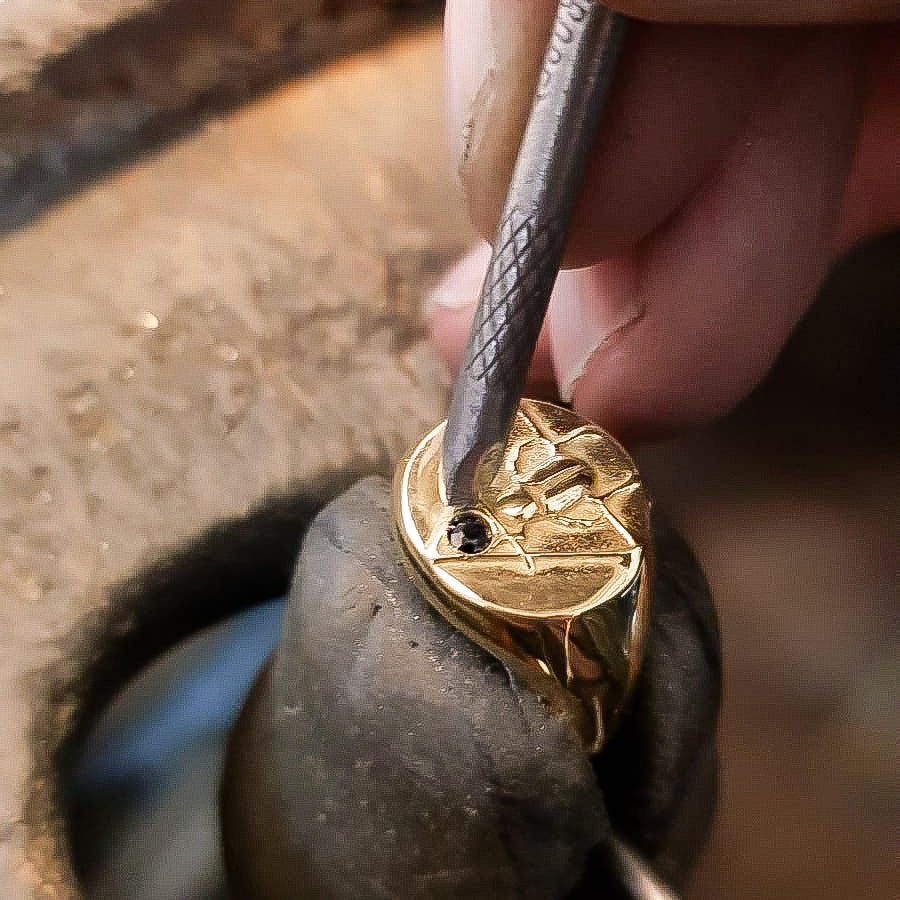
Here is a test worth running before you buy anything labelled designer jewellery. Turn the piece over. Look at the back of the pendant, the inside of the ring, the join on the clasp. If that side has been finished with the same care as the front, you are likely looking at real designer work. If it is rough, glued, or visibly cheaper than the side facing out, it almost certainly is not.
That single check tells you more than any product description will. Designer jewellery, properly defined, comes from someone who designs and usually makes the piece themselves, in solid metal, with control over every stage of construction. It is not licensed to a factory and adjusted each season to chase whatever shape is trending.
This guide gives you the specific checks to make, not just the theory, so you know exactly what to look at before spending money.
Three Checks That Actually Tell You If Jewellery Is Designer
Most advice about buying designer jewellery is vague. "Look for quality" does not help you in the moment you are staring at a product page deciding whether to buy. Here is what to actually do.
Check One: Find the Hallmark Reference
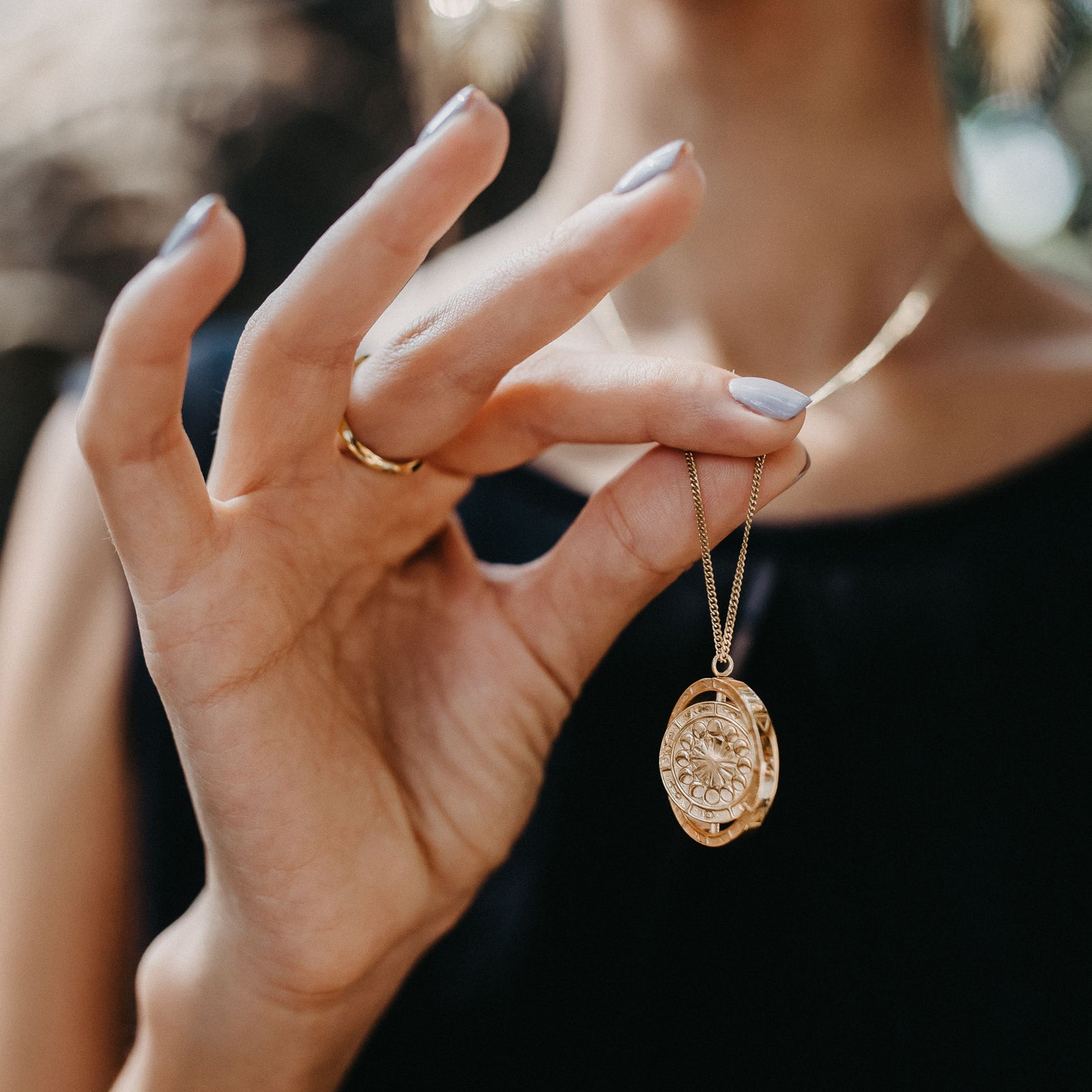
Open the product description. A genuine sterling silver pendant necklace uk listing will state "925 sterling silver" or show a hallmark reference, not just the word "silver" on its own. If the listing only says "silver tone" or "silver finish", that almost always means plated base metal, not solid silver.
The same applies to gold. Gold mini hoops should state the carat clearly, either 9ct or 18ct, in the product title or the first line of the description. If you have to search through reviews or contact the seller to find out the carat, that is itself information worth noting.
Check Two: Read Where It Is Made
Handmade jewellery from an independent maker will usually say where the piece is made, often naming a UK workshop or studio. A vague phrase like "designed in the UK" without naming where production happens often means the design work and the manufacturing are in different places, sometimes different countries entirely.
This is not always a problem on its own, but it is a detail worth knowing before you decide whether the price reflects UK handmade labour or design fees layered onto factory production elsewhere.
Check Three: Look at the Detail Work in Photos, Not Just the Hero Shot
Most product photography shows the best angle of a piece. Scroll past the main image to any close-up shots. On well-made jewellery, the detail holds up at close range, the edges are clean, the stone settings sit flush. On mass-produced pieces, close-up shots often reveal slightly uneven casting or a join line that the main photo was angled to hide.
Designer Jewellery vs Fashion Jewellery: The Three Checks at a Glance
|
What to Check |
Genuine Designer Jewellery |
Fashion or Mass-Produced Jewellery |
|
Hallmark and metal stated |
Carat or purity written clearly, for example "925 sterling silver" or "9ct gold", often with a hallmark reference |
Vague terms like "silver tone", "gold finish" or "gold plated" with no carat stated |
|
Where it is made |
Names a specific UK workshop or studio, such as "handmade in London" |
Generic phrase like "designed in the UK" with no production location given |
|
Back and join detail |
Clasp, post and join points finished to the same standard as the front |
Rough edges, glued joins or visible corner-cutting on the reverse side |
|
Close-up photography |
Detail holds up at close range, settings sit flush, casting is even |
Close-up shots often reveal uneven casting or a hidden join line |
|
Customisation on request |
Genuine sizing, stone or metal changes available, not just a size dropdown |
Fixed sizes only, "custom" used loosely to mean a small colour choice |
This table is the fastest way to run through all three checks at once. If a piece you are considering ticks the right-hand column on more than one row, it is worth asking the seller direct questions before you buy.
Why Independent Makers Build Differently
An independent jewellery designer is not reporting to a buying committee deciding what will sell this quarter. Rachel Entwistle's pieces return to recurring themes, alchemy, symbolism and solid precious metal, across multiple collections rather than reinventing the design language every season.
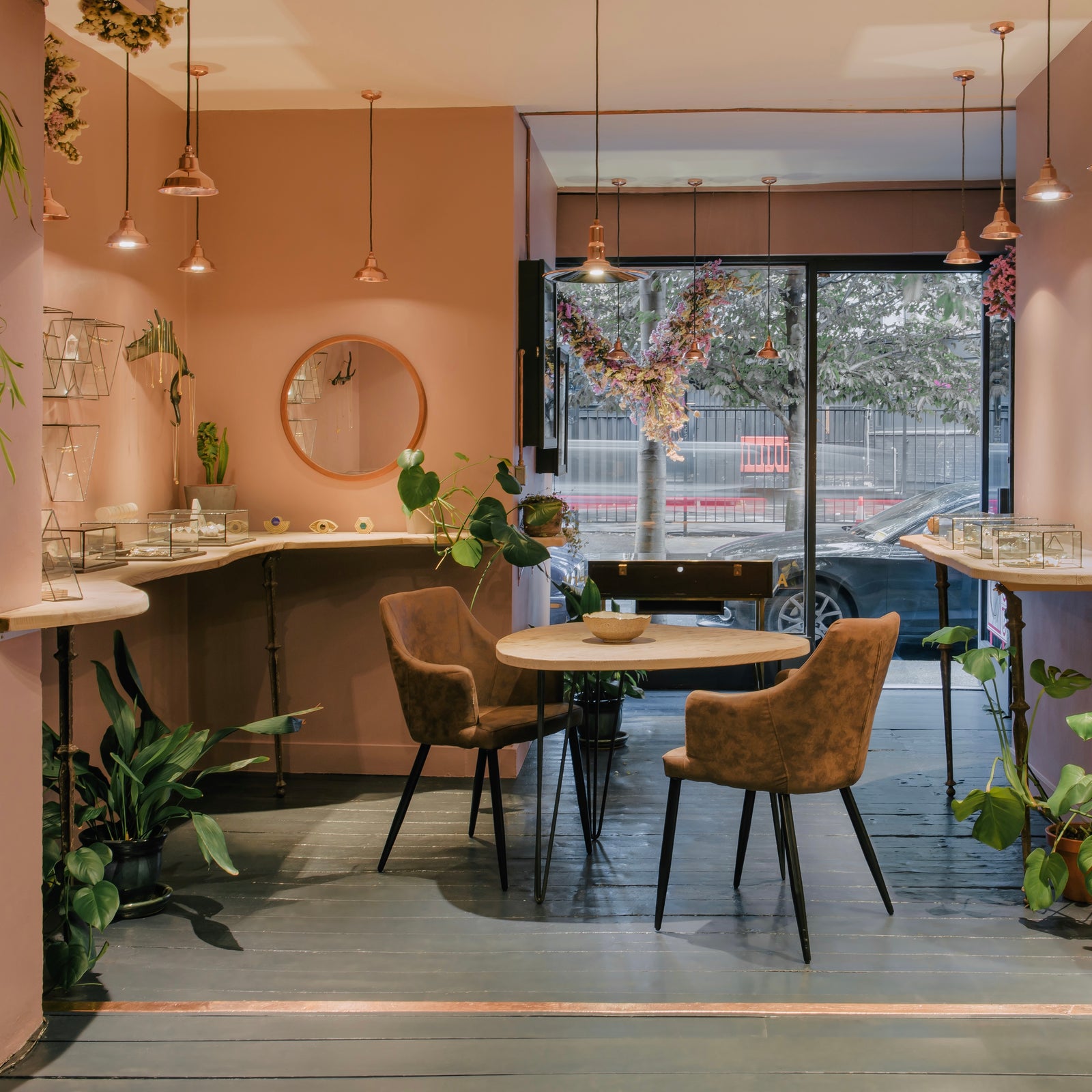
A practical way to spot this when browsing a jewellery shop London buyers can trust is to look across the full collection, not just one product page. If pieces share a consistent material standard and a recognisable design thread, that consistency is a stronger signal than any single item description.
What a Cool Jewellery Brand Actually Looks Like Up Close
A genuinely well-designed brand and a brand with strong photography can look identical in a single Instagram post. The way to tell them apart takes thirty seconds: open three different product pages on the same site and compare the level of detail in each description.
If every listing clearly states metal content, carat, and where the piece is made, that consistency across the whole catalogue is a stronger signal of a cool jewellery brand with real substance than any individual photograph.
Bespoke Men's Jewellery: What "Bespoke" Should Actually Mean
If a brand offers bespoke men's jewellery, ask one direct question before buying: what can actually be changed? Genuine bespoke work allows adjustments such as ring sizing to the millimetre, choice of stone, or chain length, not just a choice between two pre-set sizes labelled as "custom."
Mass retailers rarely offer true customisation because it slows production. Working directly with an independent maker is usually the only realistic way to get a piece sized and specified correctly the first time, rather than buying the closest available size and hoping it fits.
A genuine example of this approach is the ouroboros snake ring, where the band, stone setting and proportion can be specified rather than bought off the shelf in one fixed size. Looking at a single product listing like this in detail, checking the metal stated, the stone information and the sizing options, is a faster way to judge a maker than reading their entire homepage.
Building a Collection Without Overspending on the Wrong Pieces
If you are starting out, jewellery under 100 is a sensible place to test what metals and styles actually suit you before committing to a higher value solid gold piece. Buy one piece, wear it for a month, and you will know far more about your own preferences than any amount of browsing will tell you.
For gifting, jewellery gift sets solve a specific problem: you do not need to know the recipient's existing collection or their exact taste, because a well-chosen set arrives as a complete answer on its own.
If you want to see how these buying checks apply across the wider London market, the jewellery London UK guide on the Rachel Entwistle journal goes into more depth on what is currently shaping the scene.
FAQ
What does designer jewellery actually mean?
It means jewellery designed and usually made by an independent designer with full control over materials and finishing, rather than mass produced to seasonal trends by a factory under licence.
How can I tell if handmade jewellery is genuinely handmade and not just marketed that way?
Check if the listing states where it is made. Genuine handmade pieces usually name a specific UK workshop. Vague phrases like "designed in the UK" without naming a production location are worth questioning.
How do I know if a silver pendant necklace uk listing is genuinely solid silver?
Look for "925 sterling silver" stated clearly in the description or a hallmark reference. Terms like "silver tone" or "silver finish" on their own usually mean plated base metal, not solid silver.
What question should I ask before buying bespoke men's jewellery?
Ask exactly what can be customised, such as sizing to the millimetre, stone choice, or chain length. If the answer is only a choice between two preset sizes, it is not genuinely bespoke.
Shop The Collection




Sustainably Made
Handcrafted from certified 100% recycled gold and silver.


Worldwide Delivery
Free UK shipping over £150. Free Worldwide over £300.


Pay in Instalments
Split your purchases into easy instalments with Klarna, stress-free.