






Two rings can look almost identical in photographs yet have very different price tags. One might be made from sterling silver, another from solid gold, while a third may cost more because of its intricate construction or gemstone setting.
For anyone exploring designer jewellery in the UK, the challenge is knowing which differences genuinely matter. Rather than judging by price or appearance alone, these seven checks can help you understand what you are paying for and whether a piece suits your needs.
Quick Answer: How Can You Tell Whether Designer Jewellery Is Worth Its Price?
To assess designer jewellery, compare the metal, construction, dimensions, gemstone details, craftsmanship, maintenance requirements and aftercare. A higher price may reflect more valuable materials or complex workmanship, but it does not automatically mean better quality. The most worthwhile piece is one whose specifications, condition and intended use justify its cost.

Why Can Similar Designer Jewellery Have Different Prices?
Jewellery prices are shaped by more than appearance. The quantity and type of precious metal, complexity of the design, specialist labour, gemstone characteristics and finishing requirements can all influence the final cost.
Consider two rings with a similar spiral design. One may use a relatively simple casting process, while another requires additional finishing or detailed stone-setting. Both could be well made, but their production requirements may differ.
Precious-metal content also matters. Solid gold generally costs more than sterling silver because of its material value. However, metal choice alone cannot tell you whether clasps, settings or other components have been properly constructed.
The aim is not to find the cheapest piece or assume the most expensive is superior. It is to identify which features explain the difference.
7 Quality Checks Before Buying Designer Jewellery
011. Identify the Actual Metal
Start by reading the product's material description carefully.
Sterling silver, gold vermeil and solid gold are different constructions, even when their finishes look similar in photographs.
For gold-coloured jewellery, check whether the description identifies a solid gold alloy or a gold layer over another metal. Where relevant, look for information about the underlying metal and plating thickness.
If you are unfamiliar with these terms, a detailed jewellery materials and everyday wear guide can help you understand the distinctions before comparing prices.
The important question is whether the material matches your budget, wearing habits and maintenance expectations.
022. Examine Construction and Finishing
Good jewellery should feel thoughtfully constructed, not simply attractive.
For rings, examine the edges, inside surfaces and any joins. Rough areas can affect comfort, particularly on pieces worn throughout the day.
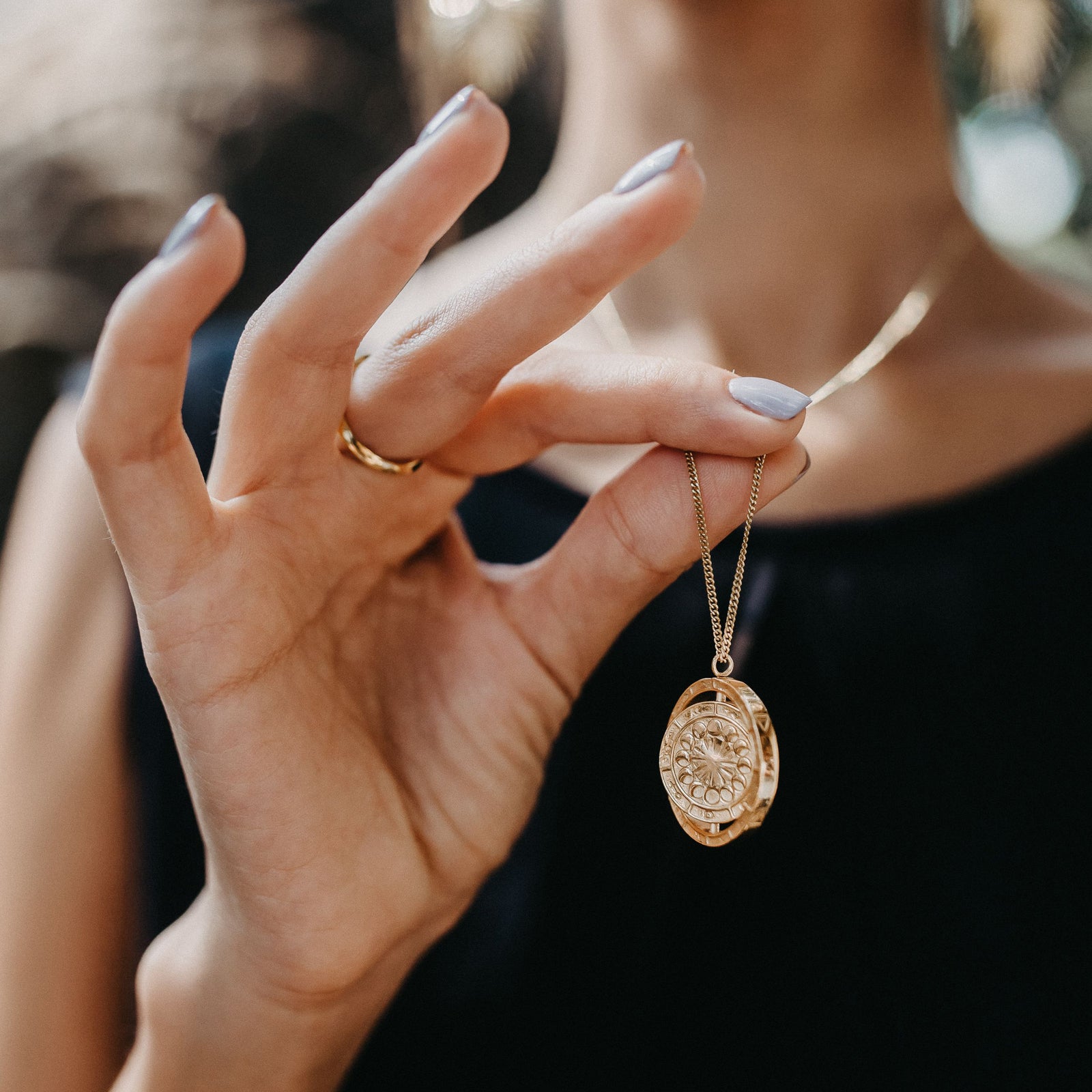
For necklaces, consider the clasp, connecting rings and attachment points. These small components are easy to overlook, yet they are important to everyday usability.
Photographs taken from several angles are useful, especially close-ups showing how different parts connect.
If a website does not show enough detail, ask for additional images or specifications before purchasing.
033. Check Jewellery Weight and Dimensions
Size can influence price, but photographs rarely communicate scale accurately.
A wide ring generally requires more metal than a narrow band of comparable construction. A substantial pendant may also contain more material than a delicate alternative.
✦However, heavier jewellery is not automatically better.
An excessively heavy earring could become uncomfortable during extended wear, while a carefully designed lightweight piece may be entirely suitable.
Compare dimensions in millimetres and look for weight information where available.
When browsing different ring designs, pay attention to band width and profile rather than relying on photographs alone.
The same principle applies to necklaces, earrings and bracelets. Proportions matter as much as material quantity.
044. Examine Gemstone Information and Settings
A gemstone can significantly influence jewellery pricing, but its appearance tells only part of the story.
Natural stones may vary in colour, clarity, treatment and other characteristics. Different gemstones also have different resistance to scratching and impact.
Check whether the product description clearly identifies the stone and provides relevant details about its setting.
For rings, consider whether the gemstone sits high above the band or is protected within a lower-profile setting. A prominent setting may suit occasional wear but could catch more easily during certain everyday activities.
Secure stone-setting is important regardless of price. If the setting looks unusual, ask how it is constructed and whether any special care is required.
055. Understand the Making Process
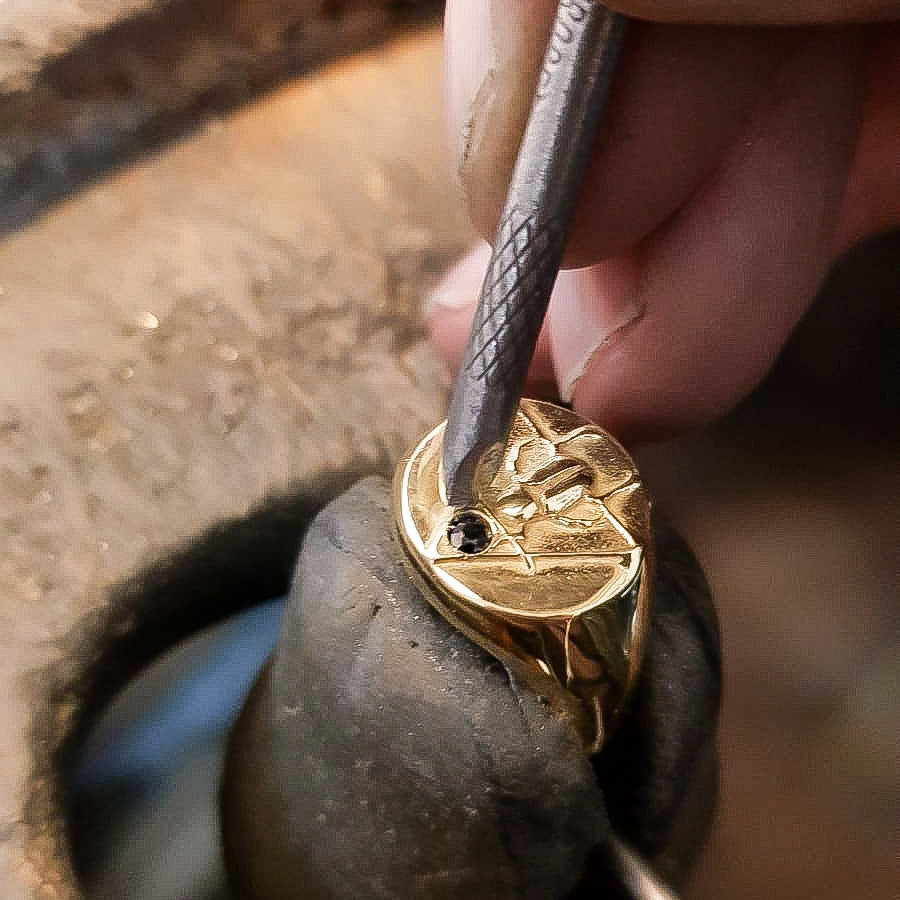
Jewellery craftsmanship can involve several techniques, including casting, engraving, soldering, stone-setting and hand-finishing.
✦Each serves a different purpose.
Casting allows detailed shapes to be reproduced, while hand-finishing can refine surfaces and intricate features. Skilled stone-setting is essential for securing gemstones.
A cast piece can be carefully made, just as a handmade piece can have construction weaknesses. The method alone does not establish quality.
For example, Rachel Entwistle's craftsmanship process describes techniques including lost wax casting, engraving and stone-setting. This provides a useful example of how different processes contribute to a finished design.
When comparing jewellery craftsmanship, look for evidence of careful execution rather than relying solely on labels such as handmade or artisan.
066. Compare Everyday Wear and Maintenance Requirements
Before deciding whether a piece represents good value, consider how frequently you intend to wear it.
A necklace reserved for special occasions may have different practical requirements from a ring worn daily.
Gold-plated finishes require appropriate care because their surface layers can wear over time. Sterling silver may tarnish but can usually be cleaned using suitable methods. Gemstones may have individual cleaning and handling requirements.
✦Construction matters too.
Long, delicate chains can be more vulnerable to pulling, while raised settings may catch on clothing.
When comparing necklace styles, think about chain length, fastening and how the piece will sit against your clothing.
The most suitable choice is not necessarily the most expensive one. It is the design that works with your normal routine.
077. Check Product Transparency and Aftercare
A trustworthy product description should help you understand what you are buying.
Look for clear information about materials, dimensions, gemstone details, sizing and any care requirements.
For precious-metal jewellery sold in the UK, hallmarking is another consideration. Qualifying articles must comply with UK hallmarking requirements, although exemptions apply, including certain weight thresholds.
Do not assume that every genuine precious-metal item must display the same marks.
For UK-specific guidance, consult the London Assay Office.
Finally, review the retailer's returns policy, repair arrangements and aftercare information. These details can affect the practical value of owning a piece over time.
Designer Jewellery Quality Comparison Checklist
Use this table when comparing two pieces at different prices.
| Quality factor | What to check | Why it matters |
|---|---|---|
| Material | Metal composition and finish | Helps explain material value and care |
| Construction | Clasps, joins, edges and connections | Affects usability and reliability |
| Dimensions | Width, length, profile and weight | Helps assess size and comfort |
| Gemstones | Stone identity and setting | Clarifies characteristics and security |
| Craftsmanship | Techniques and finishing | Helps assess workmanship |
| Maintenance | Cleaning and wear requirements | Indicates ongoing care needs |
| Aftercare | Returns, repairs and support | Helps with long-term ownership |
Practical example: Imagine comparing two necklaces. The first has a lower price, a gold vermeil finish and a delicate chain. The second uses solid gold and has a more substantial construction.
The price difference may be partly explained by the gold content. However, you should still compare fastening quality, chain dimensions and comfort.
Neither necklace is automatically the better purchase. Your budget and intended use help determine which is more suitable.
Does Paying More Always Mean Better Jewellery?
No. A higher price can reflect material costs, labour, design development, limited production or other business expenses.
Some of these factors may contribute directly to quality. Others do not necessarily affect durability.
For example, a straightforward sterling silver ring with carefully finished edges and secure construction may be more suitable for everyday use than a costly gemstone ring with a delicate raised setting.
Similarly, an original design may command a higher price because of its complexity, even when a simpler piece is equally well constructed.
The better approach is to compare measurable characteristics before assigning value to a price tag.
How Should UK Buyers Make Their Final Decision?
Begin with three questions: How often will I wear it? What materials suit my needs? Which quality details can I verify?
Set a comfortable budget before comparing designs. Read the full specifications, examine close-up photographs and ask questions when important details are missing.
If two pieces remain difficult to compare, prioritise comfort, material transparency and practical construction over appearance alone.
Designer jewellery should be chosen with an understanding of what makes each piece different. A little research can prevent disappointing purchases and help you find jewellery that feels appropriate for both your lifestyle and budget.